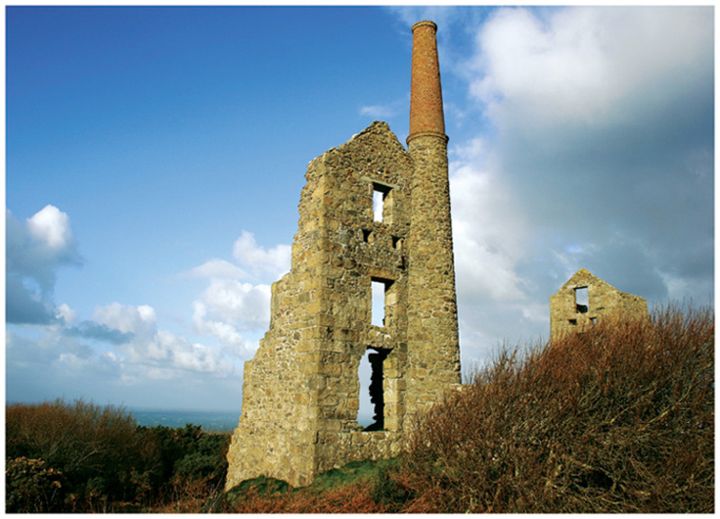
Craddock Moor Mine
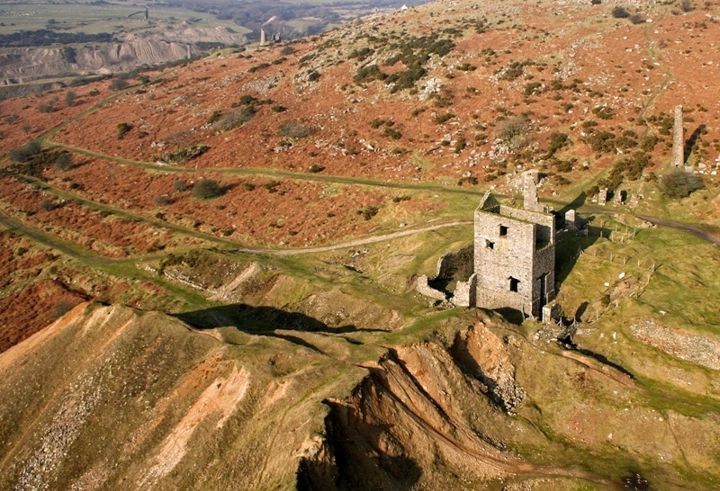
With an annual production of just over 2000 tons this was the smallest mine in the area that managed to yield dividends. The operation…
Read story →21 stories
Houses, farms, schools, villages, landmarks and the changing local landscape.
With an annual production of just over 2000 tons this was the smallest mine in the area that managed to yield dividends. The operation…
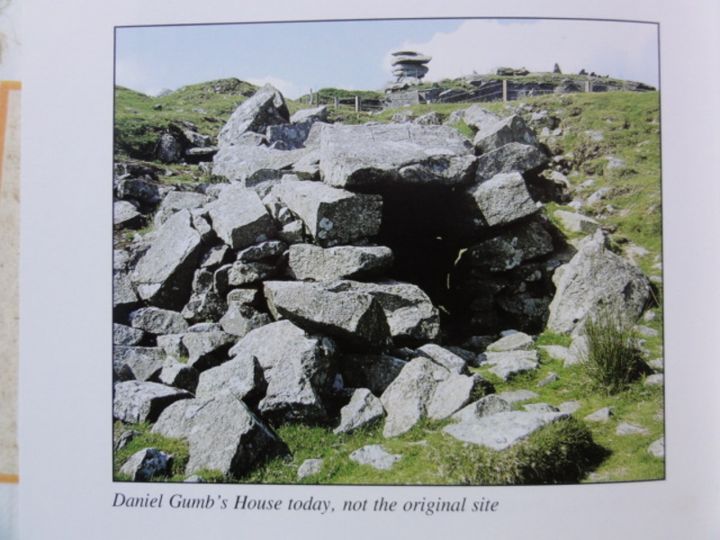
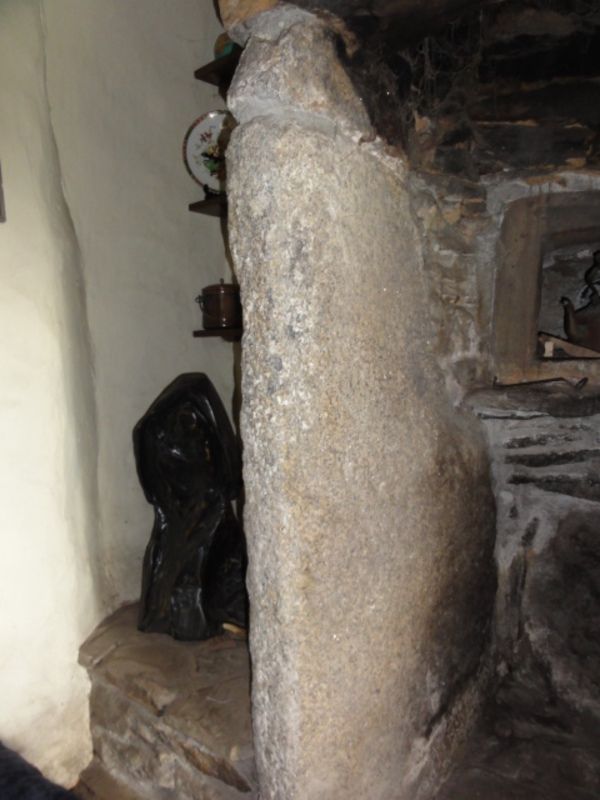
Read story →Daniel Gumb was the most celebrated character to live on the moors near Pensilva. He is best known for his home among the rocks at the…
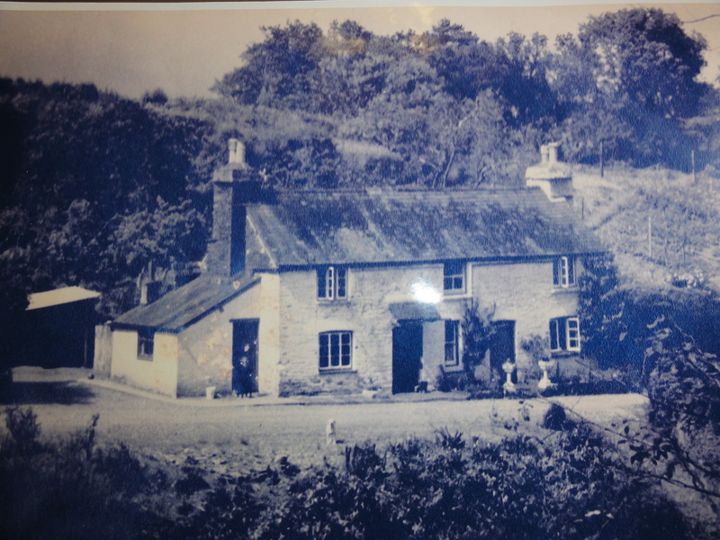
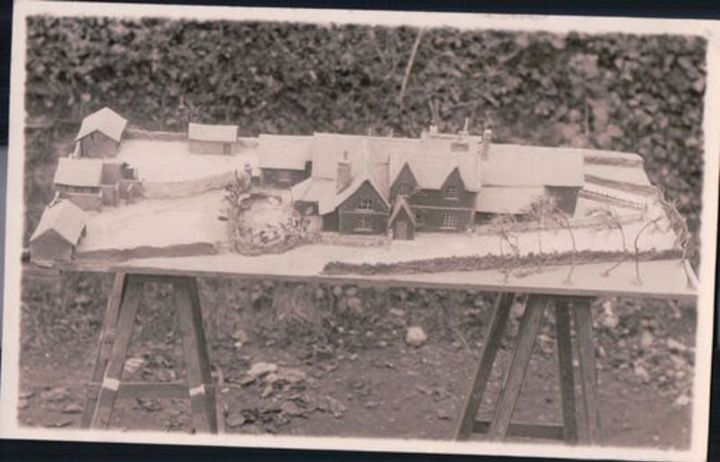
Read story →A lady from up country has provided this photograph in the hope of finding out where the building is today. It is somewhere in…
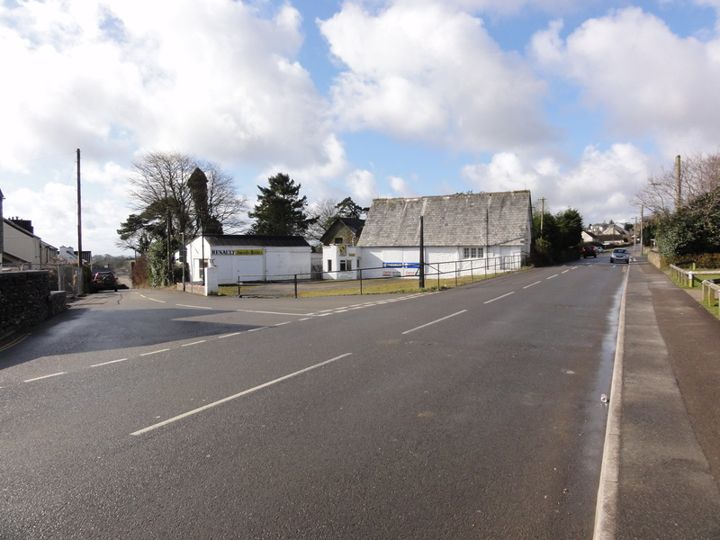
Read story →The following article written in 1984 is reproduced by kind permission of Yvonne Gilbert. Pensilva almost 40 years ago Fool's Corner…
Read story →This mine lay astride the granite/killas junction to the east of Caradon Hill just north of Pensilva which at that time was called…
Read story →The following article written in 1984 is reproduced by kind permission of Yvonne Gilbert. Pensilva almost 40 years ago Going to the…
Read story →The census of 1841 shows just one house and one family living in Pensilva or 'Bodmonland' as it was called at that time. The house was…
Read story →The following memories of the village have kindly been provided by Dennis and Doreen Cardew of St Ive. Dennis Cardew Memories from…
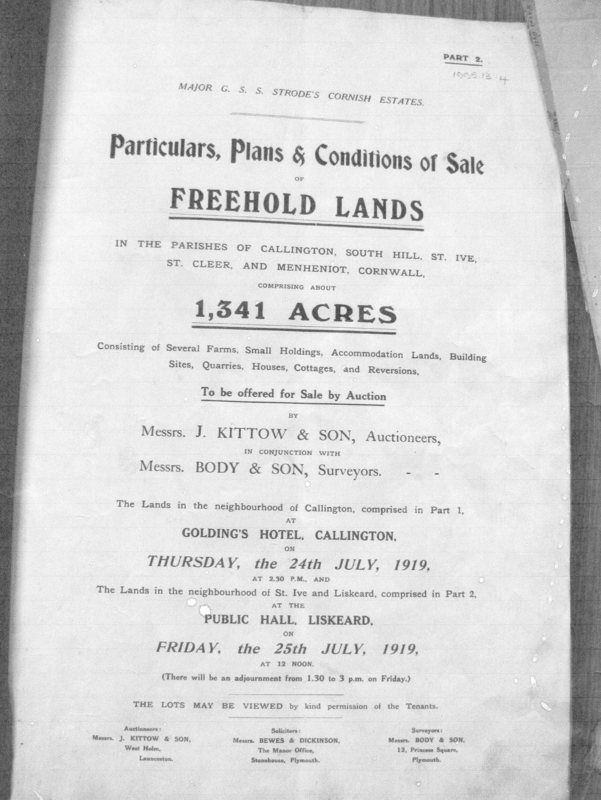
Read story →On the 24th July 1919 Major GSS Strode of Newhnam Park, Plympton, Devon sold off by auction his family's holdings of land and…
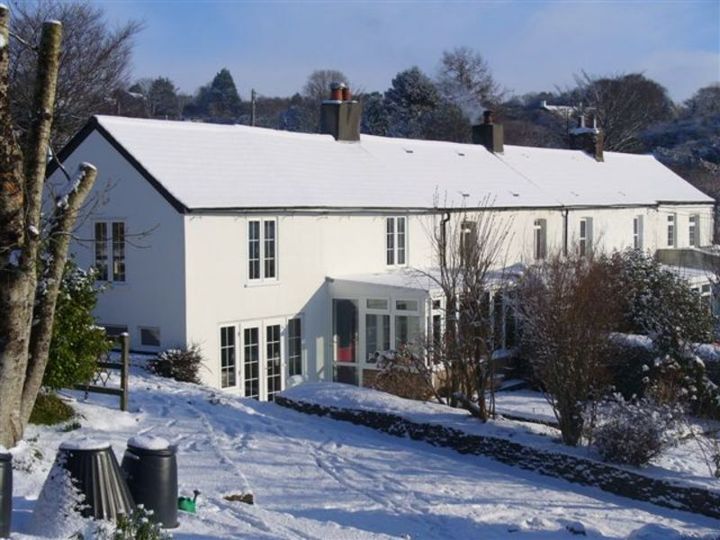
Read story →I live in a cottage which is one of a small terrace in Lower Middle Hill, Pensilva. It was built, I believe around 1850 at the start…
Read story →This copy of a postcard was sent to us by Susan Maunder. The postcard was sent at 6.45pm on 30th May 1908 to Susan's Grandfather, Mr.…
Read story →The census of 1841 records only two houses in Pensilva, a farmhouse (now called Jubilee Farm and situated on Jubilee Road) is the…
Read story →In 2006 Pensilva was given World Heritage status because of its uniqueness as a rapidly expanding Victorian industrial settlement much…
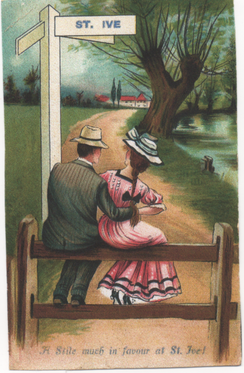
Read story →The History Group was very pleased to receive these photos from Ian Titchner of Pensilva. He had spotted this unusual old postcard for…
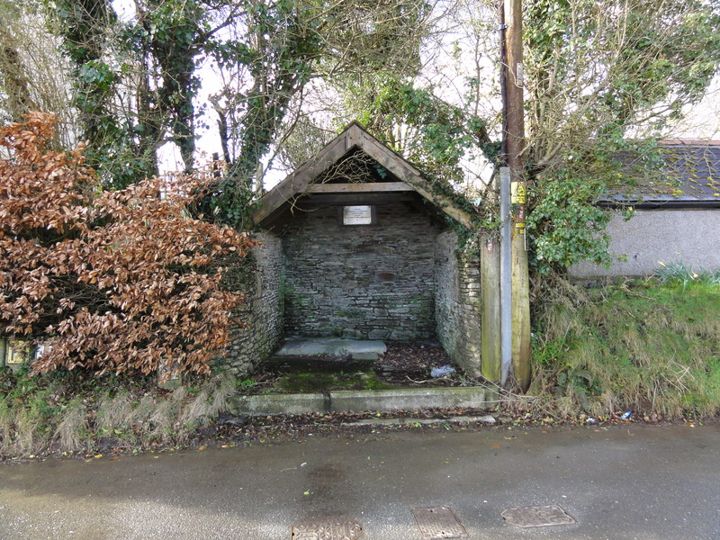
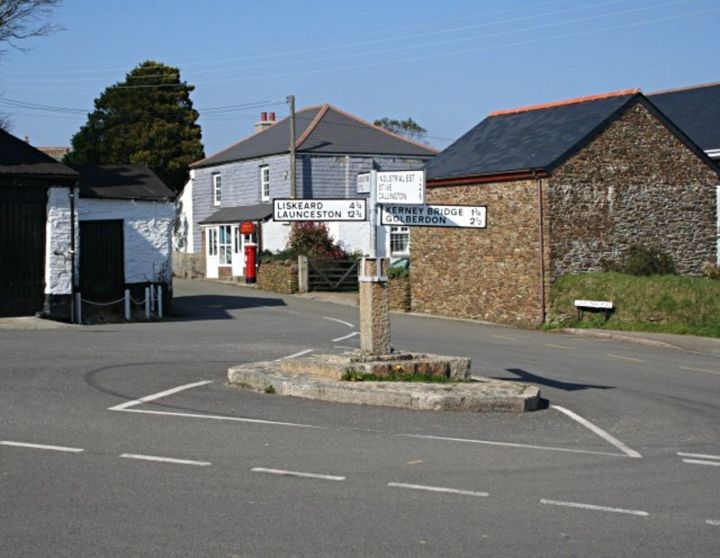
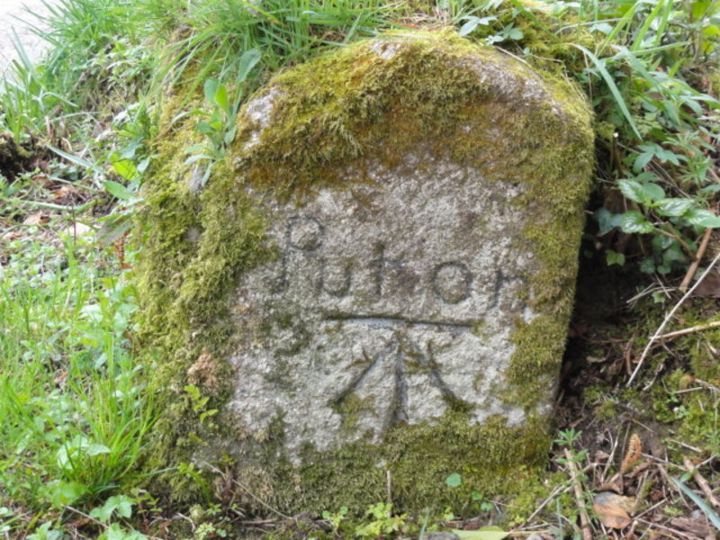
Read story →If you drive through the village of St Ive Cross, just before the single track road begins a long, steady uphill climb, a small…
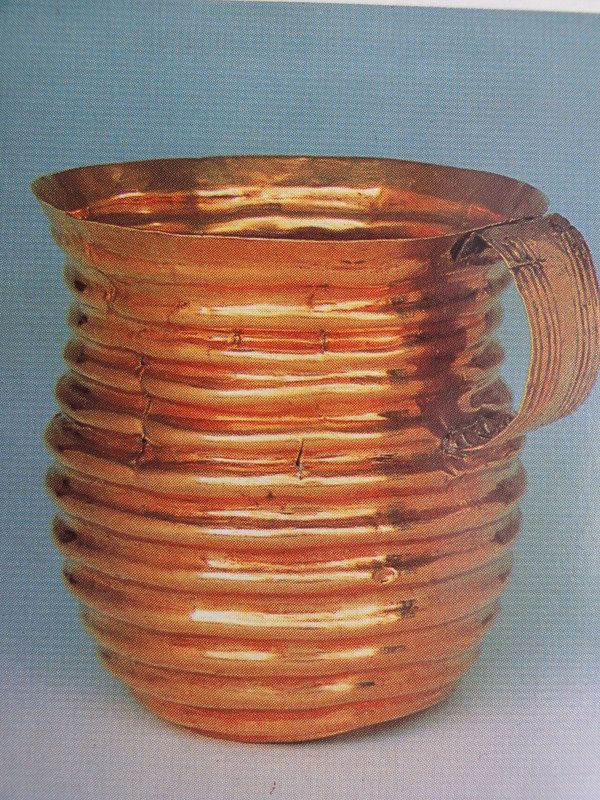
Read story →Dating back to the early Bronze Age (c2500 1500BC) the Rillaton Barrow (Grid reference SX260719) is the most famous burial cairn on…
Read story →South Caradon Mine lies about half a mile from the summit of Caradon Hill, on its southern slopes and in the Caradon Mining District…
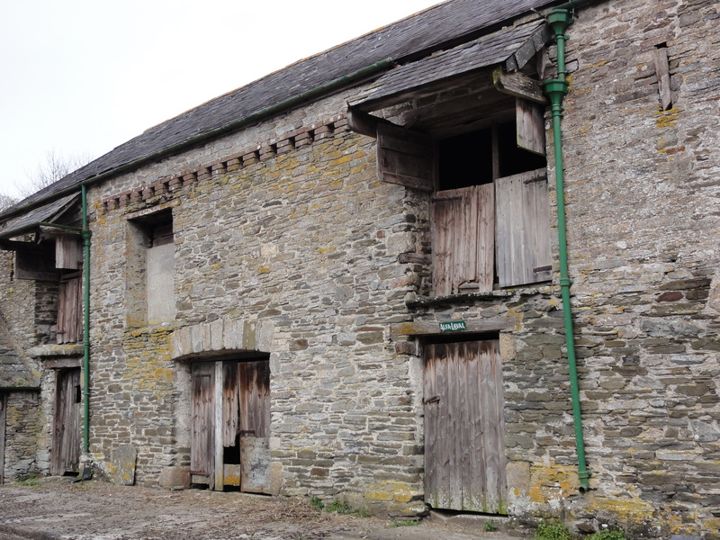
Read story →At the time of the Norman Conquest there was a farm in South East Cornwall with the Cornish name of "Trebighan", meaning 'Little…
Read story →The following article written in 1984 is reproduced by kind permission of Yvonne Gilbert Pensilva almost 40 years ago Going to the…
Read story →Wheal Ludcott was located just south of the Liskeard to Callington road and was one of a group of lead mines on the eastern side of…
Read story →This mine amalgamated with the adjacent Wheal Ludcott in 1861 after Wheal Wrey's impending closure had threatened the flooding of…
Read story →